The RC21 Conference on Urban and Regional Development, held from 20-22 July 2026 at the University of Vienna, brought together hundreds of researchers to examine the theme: “Inequalities and The City: Old Issues, New Challenges”. As urban populations grow, so do disparities in housing, social segregation, and political power, issues exacerbated by climate change, conflict, and globalization. This year’s conference tackled these enduring and emerging challenges, fostering critical discussion on sustainability and urban coexistence.
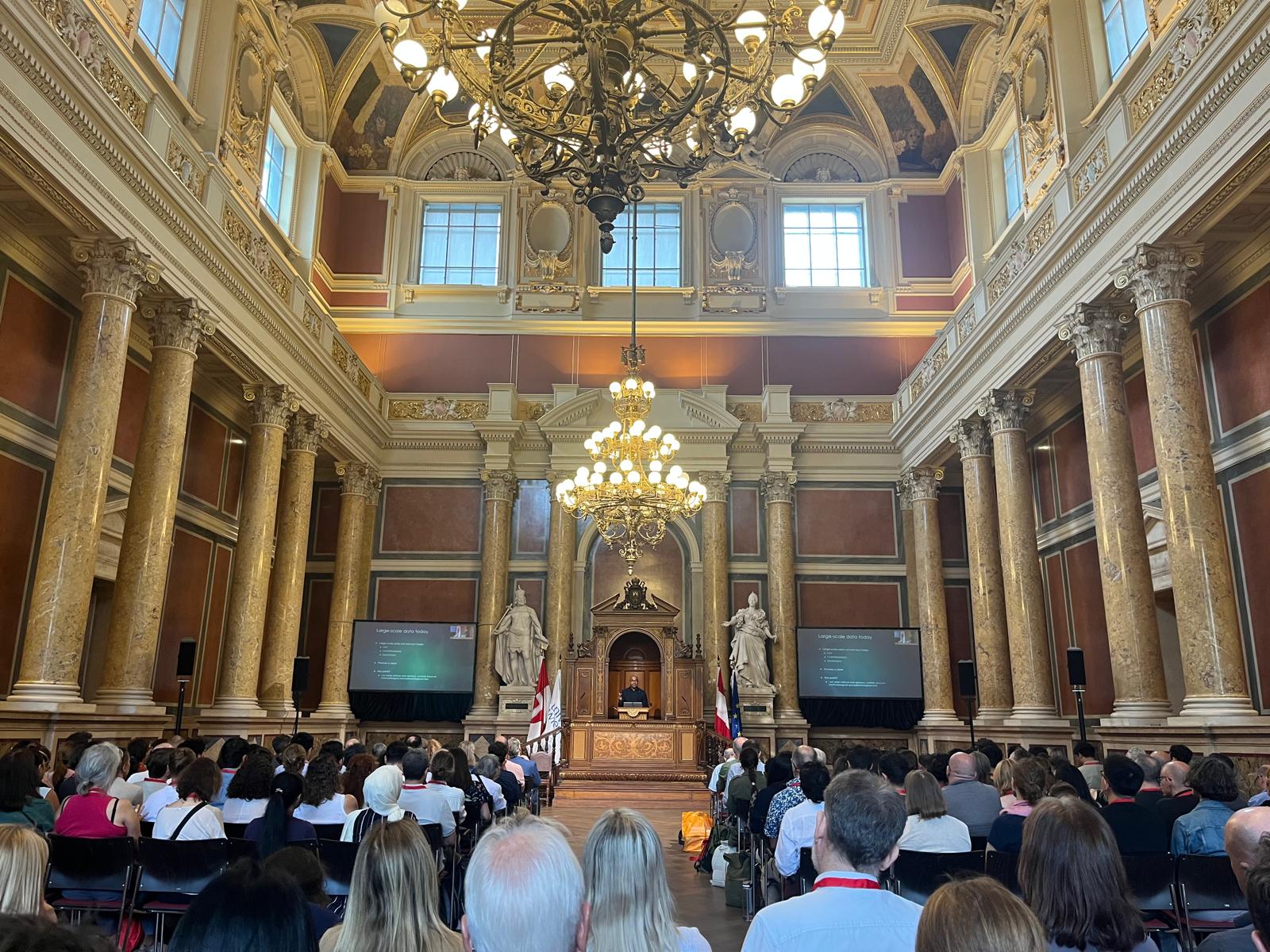
Image: Mario L. Small, keynote speaker on “Large-scale Data and understanding economic inequality”.
Among the highlights was the Digital Frontier session, organised by Justus Uitermark and Ayona Datta, which explored how digital technologies – from AI to social media – reshape urban governance, labor, and knowledge production. The three consecutive sessions on this topic examined how corporations and governments extend control through digitisation, commodifying everyday life while creating new power dynamics.
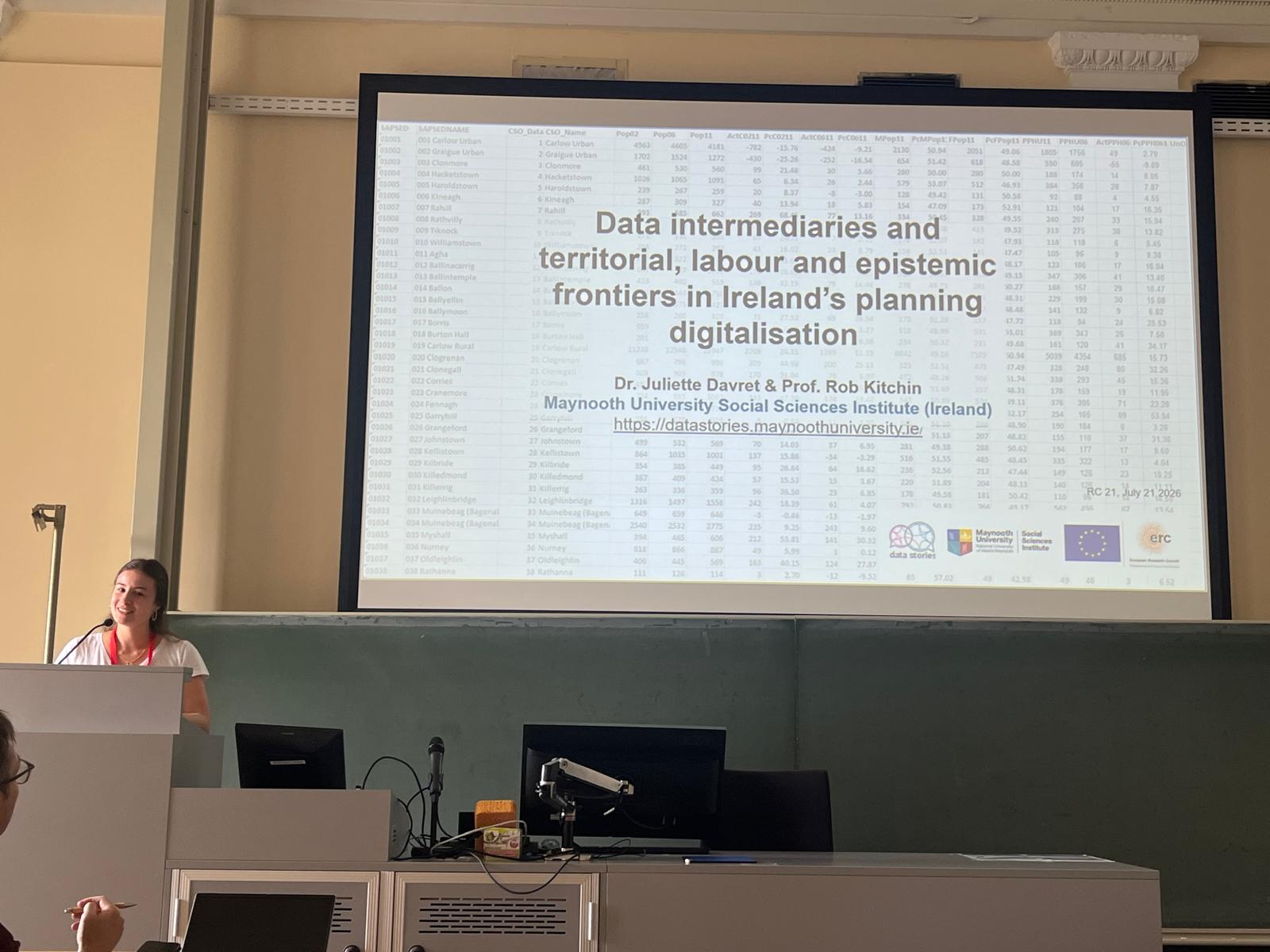
Juliette Davret presented her research titled “Data Intermediaries and Territorial, Labour, and Epistemic Frontiers in Ireland’s Planning Digitalisation” co-authored with Rob Kitchin. This paper analysed how private data intermediaries digitise planning records, transforming how spatial data is accessed and governed. Through a year-long case study, it examined how these intermediaries dissolve local boundaries, reconfigure professional roles, and create new regimes of visibility in urban development (e.g., searching for planning project based on price or scale, but not on community interests or environmental concerns).
This presentation was part of a dynamic session alongside four other scholars, focusing in particular on the complexities of digital frontiers in planning and governance, addressing topics such as augmented reality in Indonesia, GIS practices in a master’s program in India, predictive slum mapping with geospatial technologies and urban digital twins in France.
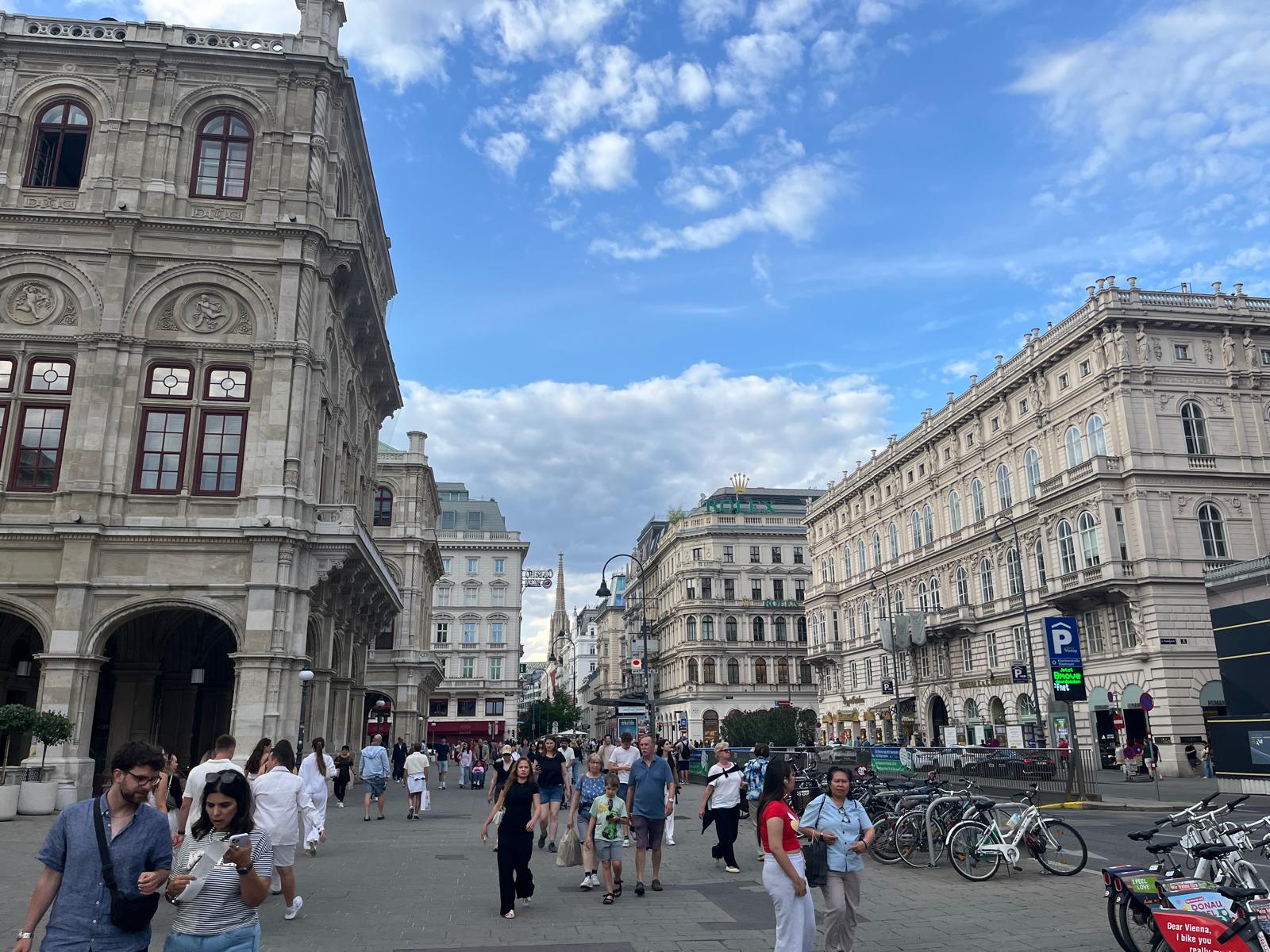
The conference concluded with a thought-provoking walking tour of Vienna, focusing on “hostile design”, urban elements like anti-homeless benches, and exclusionary public spaces that reflect deeply entrenched inequalities.
Overall, the RC21 Conference was a great success. Thanks to the organising board for putting together this conference, which offered many opportunities to meet new colleagues, exchanges ideas, and learn how to address inequalities in cities!