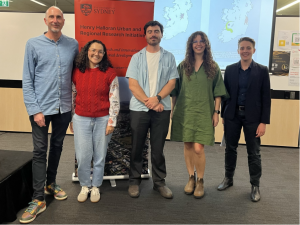
The Data Stories team are delighted to welcome four new members to our team. Three of the new starters will be using their expertise in housing, planning, property and geospatial analysis to help further our research in these areas. We also have a curator joining the team who will be helping us plan and realise a forthcoming exhibition which is currently scheduled to take place in Dublin this October.
Brendan Fox
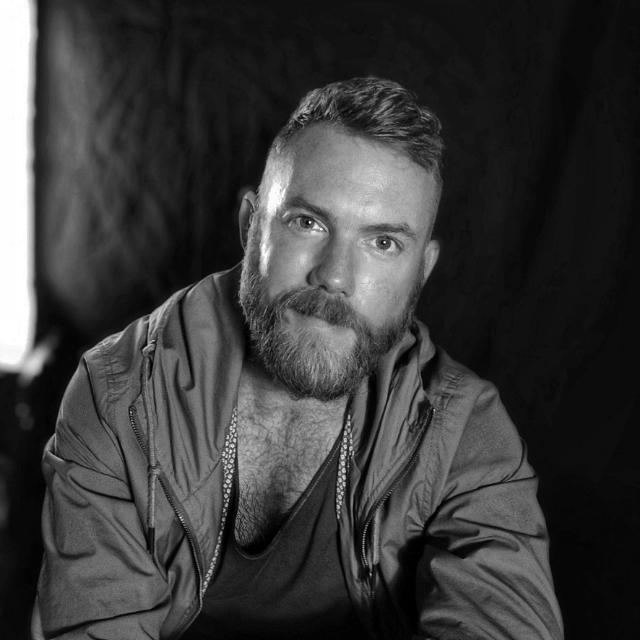
Brendan is an independent curator, writer, lecturer, and cultural event producer based in Dublin and Rome. Brendan has been hired to curate our Data Stories exhibition in October. Brendan comes with extensive experience curating national and international artists in a broad spectrum of settings. They have held multiple residencies at the Irish Museum of Modern Art and have curated from the national collection. We are extremely excited to learn from Brendan and their curatorial choices that will shape the two-week exhibition in Dublin’s Digital Hub.
Leah Aaron
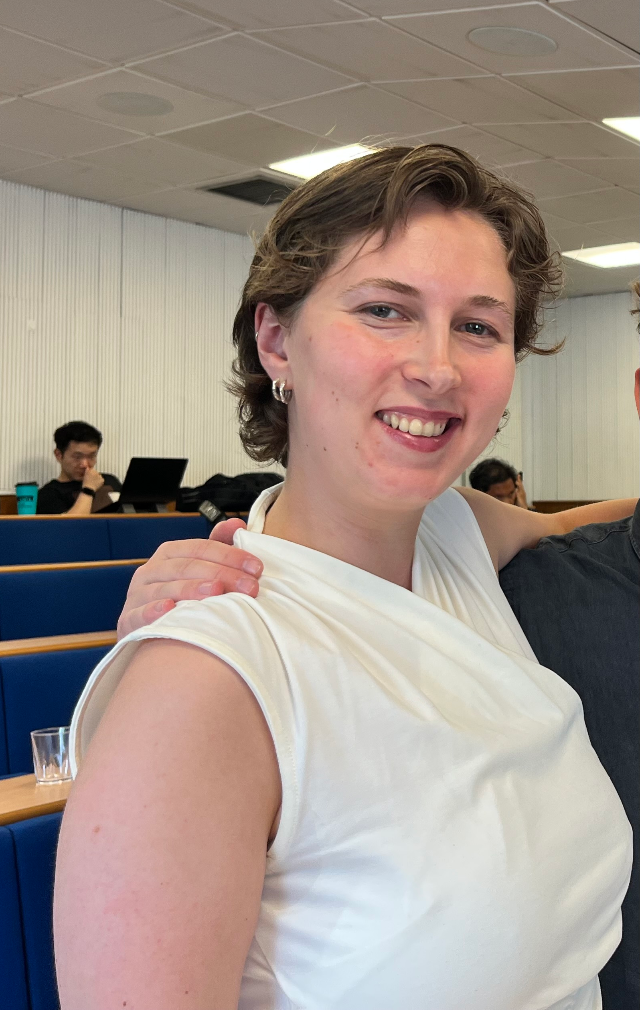
Leah will step into a postdoctoral position to conduct case study research on Northern Ireland. This research will complement the work we have completed on the Irish property and planning digital terrain and provide comparative insights. Leah is moments from completing her PhD in Urban Planning at University College London (UCL). She has extensive experience working with housing data and is well-placed to conduct detailed data audits and assess data quality.
Leah Fennell Neville
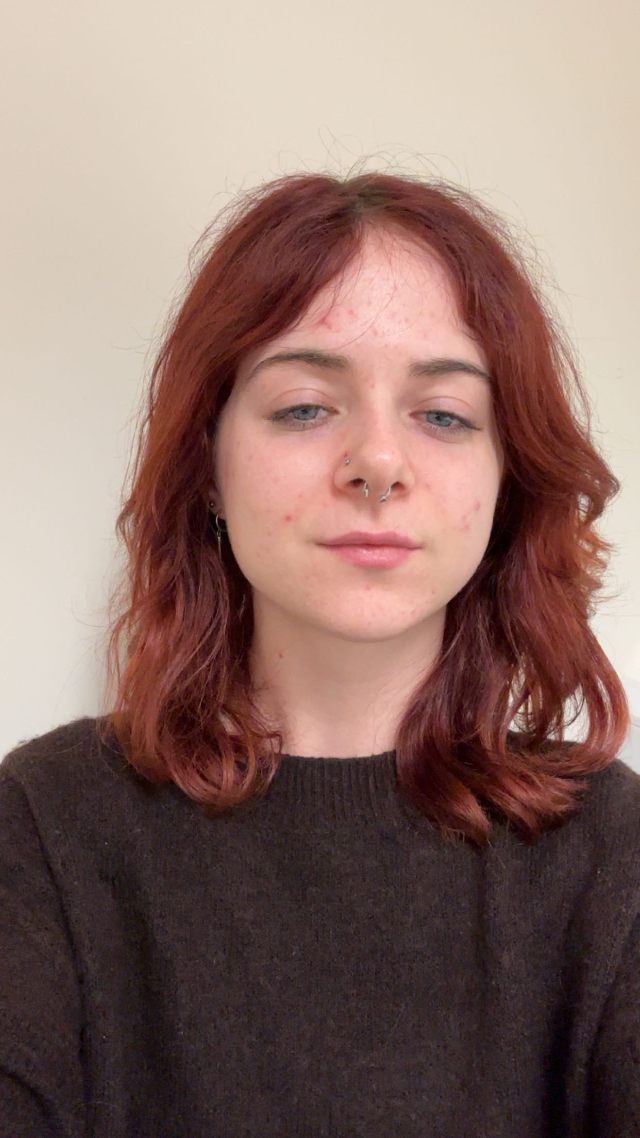
Samuel Mutter and Carla Maria Kayanan welcome SPUR awardee Leah Fennell Neville. Over the summer, Leah will work with Sam and Carla on their project, Critical inquiries and creative narratives: Exploring Irish data landscapes using arts-based methods to explore the data land issues that underpin important decisions shaping housing, planning and property development. In October, Leah will present findings to the MU community at the SPUR Undergraduate Research Poster Symposium. We hope the final creative output will also be featured at the Data Stories October exhibition. With thanks to MUSSI for awarding Sam and Carla the MUSSI Small Grants Scheme to fund Leah’s research experience!
Sabreen Lyman
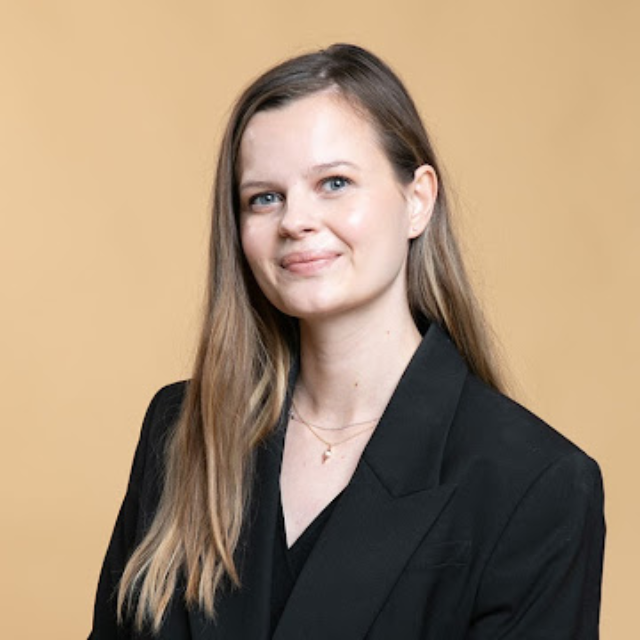
Sabreen is a current MU student on the MSc in GIS/Remote Sensing in Geography. Over the summer, Sabreen will work with us to create a database of longitudinal datasets and to set up a data archive for the public. Sabreen will also produce material for our 3D printed model to help us build data stories for the October exhibition.
We are grateful for the expertise each new member of the team is bringing and look forward to working with them. With this expanded team, the coming months promise to be among our most productive and creative yet. Keep following us here to find out what comes next.